
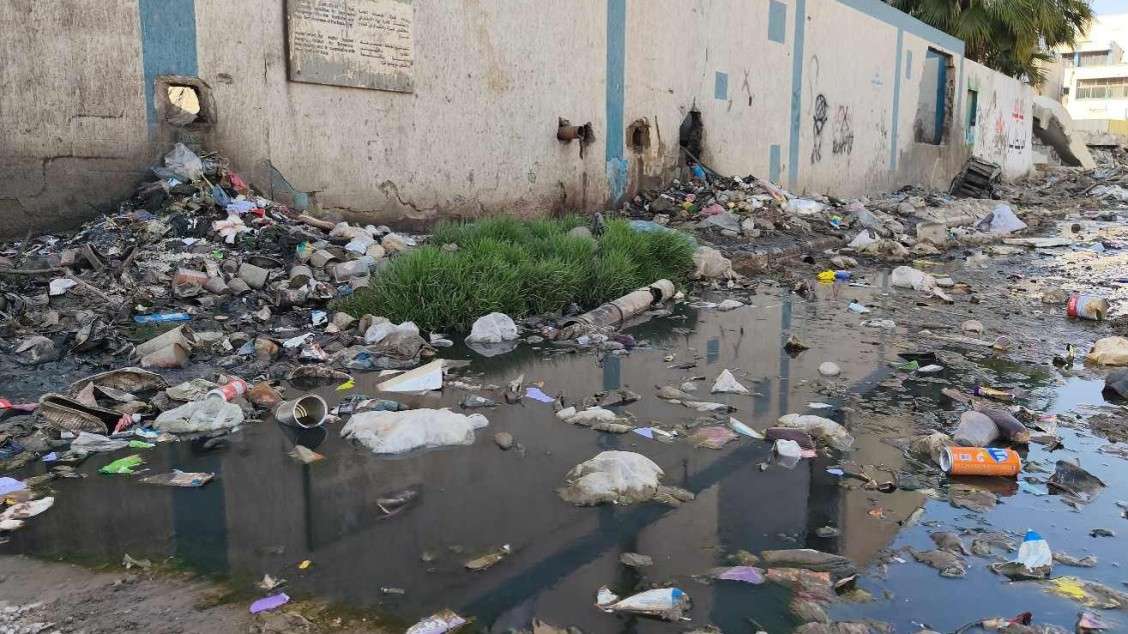

Gaza is no longer merely a site of military operations; it has become a fertile environment for a worsening health and environmental catastrophe.
These are not just words I write, but a reality I live as a citizen on the Gaza Strip. Every day I wake up to the disaster of waste piled up among the worn-out tents, and to sewage water, rodents, and insects among the tents of the shelters of displaced people at the Gaza Strip.
The city of Gaza witnessed a tragic incident that deeply shook public sentiment.
Gaza is no longer merely a site of military operations; it has become a fertile environment for a worsening health and environmental catastrophe, whose dimensions are escalating day by day. Tons of waste are accumulating in the streets and around shelters, leading to a complete collapse of the public sanitation system and depriving displaced people of even the most basic conditions for a dignified life.
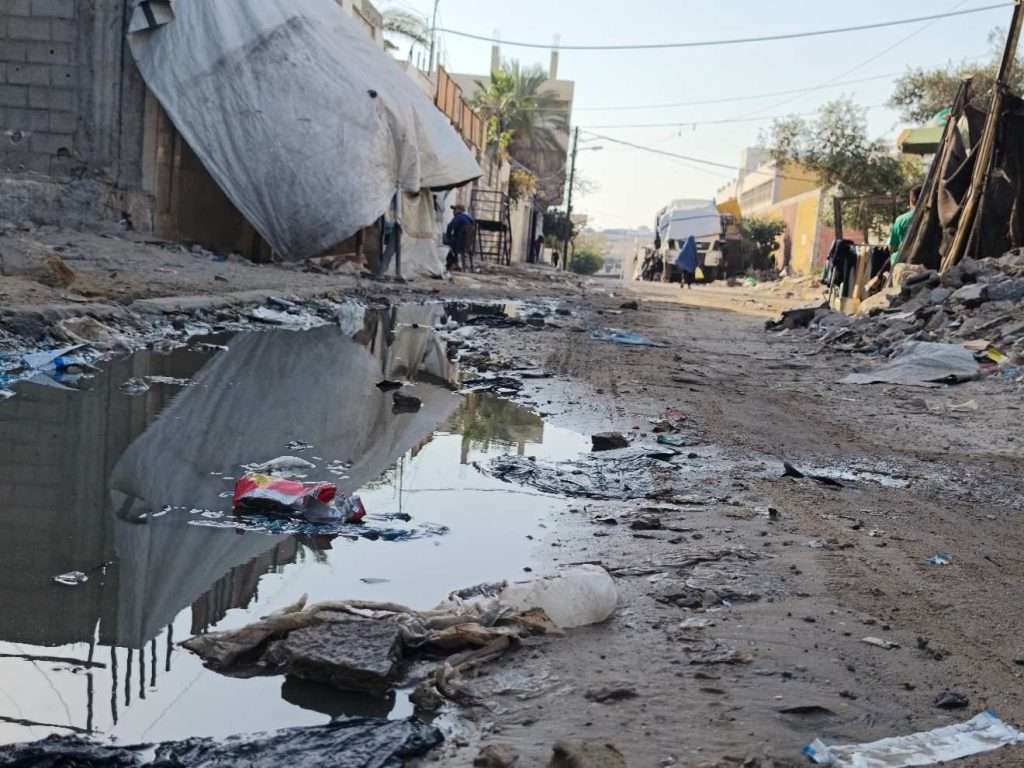
Amid this harsh reality, residents face a silent threat in the form of the widespread proliferation of rodents and insects, which have begun to invade fragile tents. This crisis is further exacerbated by Israel’s continued restriction on the entry of insecticides and chemical materials necessary to combat such infestations since the beginning of the aggression in October 2023.
My family is also suffering from a severe rodent and insect infestation.
The city of Gaza witnessed a tragic incident that deeply shook public sentiment, when the infant Adam Al-Ustaz, barely one month old, was directly attacked by a large rat inside his tent. The child was rushed to the hospital in critical condition after suffering severe injuries and poisoning that nearly claimed his life, reflecting the magnitude of the threat facing children.
Adam’s mother recounts that terrifying night, explaining that she awoke to her baby’s screams, only to find him covered in blood in the darkness of the tent. After searching the area, the family discovered a large rat hiding beneath a table, in a scene that starkly illustrates the absence of safety in what are supposed to be places of refuge.
This incident is not isolated; reports from various displacement camps continue to document similar attacks by rodents and fleas that are now biting displaced people. Residents express constant fear on social media, particularly as poisonous insects and reptiles have been seen approaching children while they sleep.
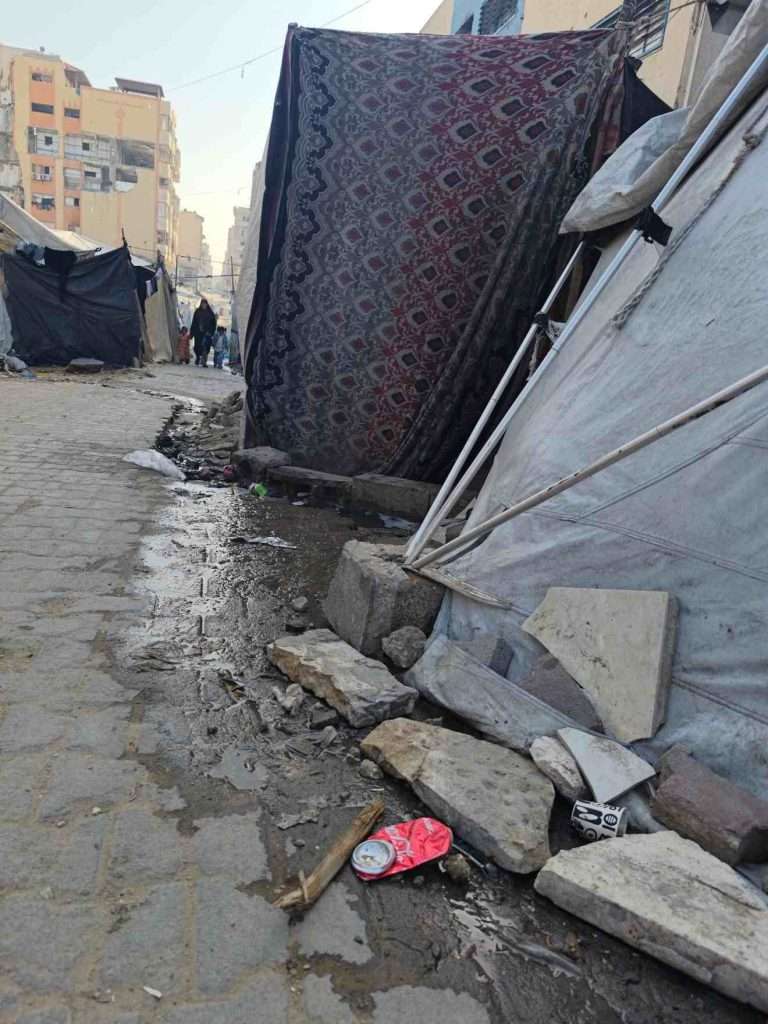
Local sources report that the humanitarian situation in the camps has exceeded all limits of endurance, with an unprecedented spread of poisonous insects and mosquitoes. Harmful wild animals, such as weasels, have also been observed roaming among the tents, taking advantage of accumulated debris and the absence of proper health and environmental control.
There are no adequate means to combat the widespread rodent and insect infestation because of the blockade on the Gaza Strip.
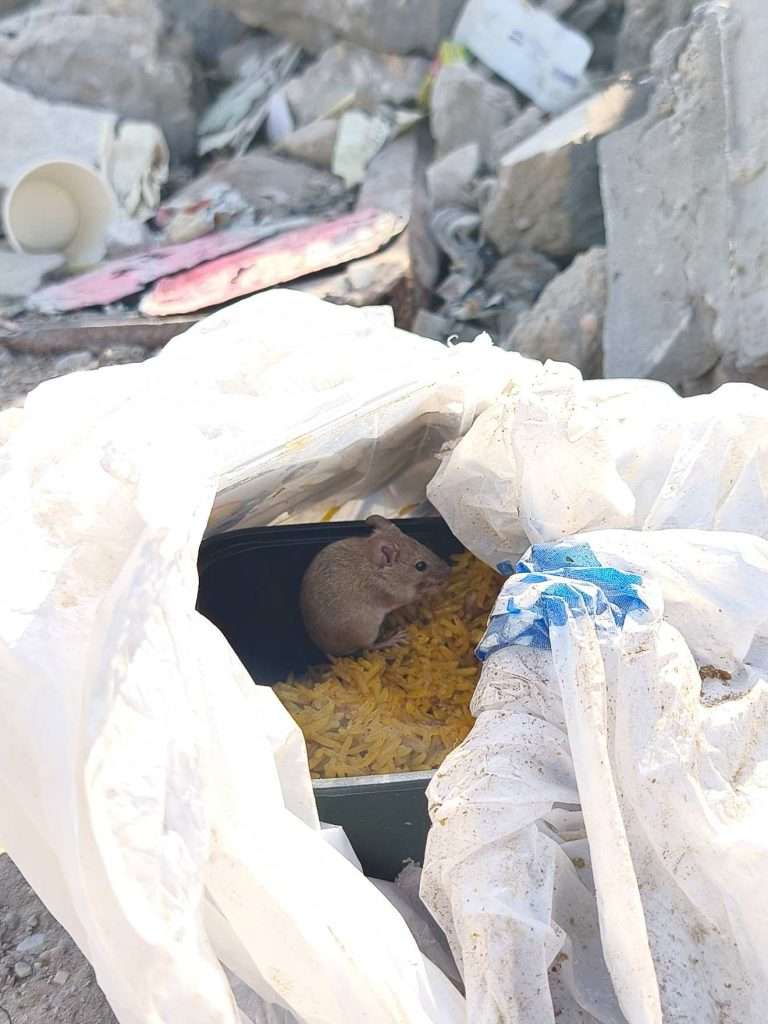
My family is also suffering from a severe rodent and insect infestation. Every night, rodents enter the place where we live, sleep, and eat. About a week ago, we discovered that rodents had eaten from the food we were planning to eat. My mother was shocked by the situation, and we had to throw the food away because it had already become contaminated and unsafe to consume.
Unfortunately, this was not the only incident. Every night, rodents spread throughout the area, and our suffering with rodents and insects continues. As a result of these conditions, I developed a skin infection and was diagnosed with scabies, which was caused by insect infestation and every night we are still suffering.
There are no adequate means to combat the widespread rodent and insect infestation because of the blockade on the Gaza Strip. Although some pest-control products are occasionally available, they are insufficient to address the severity of the problem and are often prohibitively expensive, preventing many families from accessing them.

Kommentarer